
Hà Giang Loop – The Journey That Opens New Opportunities for Young People in the Highlands
Tuyen Quang – Thanks to the Ha Giang Loop travel route, tourism has become a life-changing opportunity, helping many ethnic minority youths escape poverty while building a better future in their own homeland.
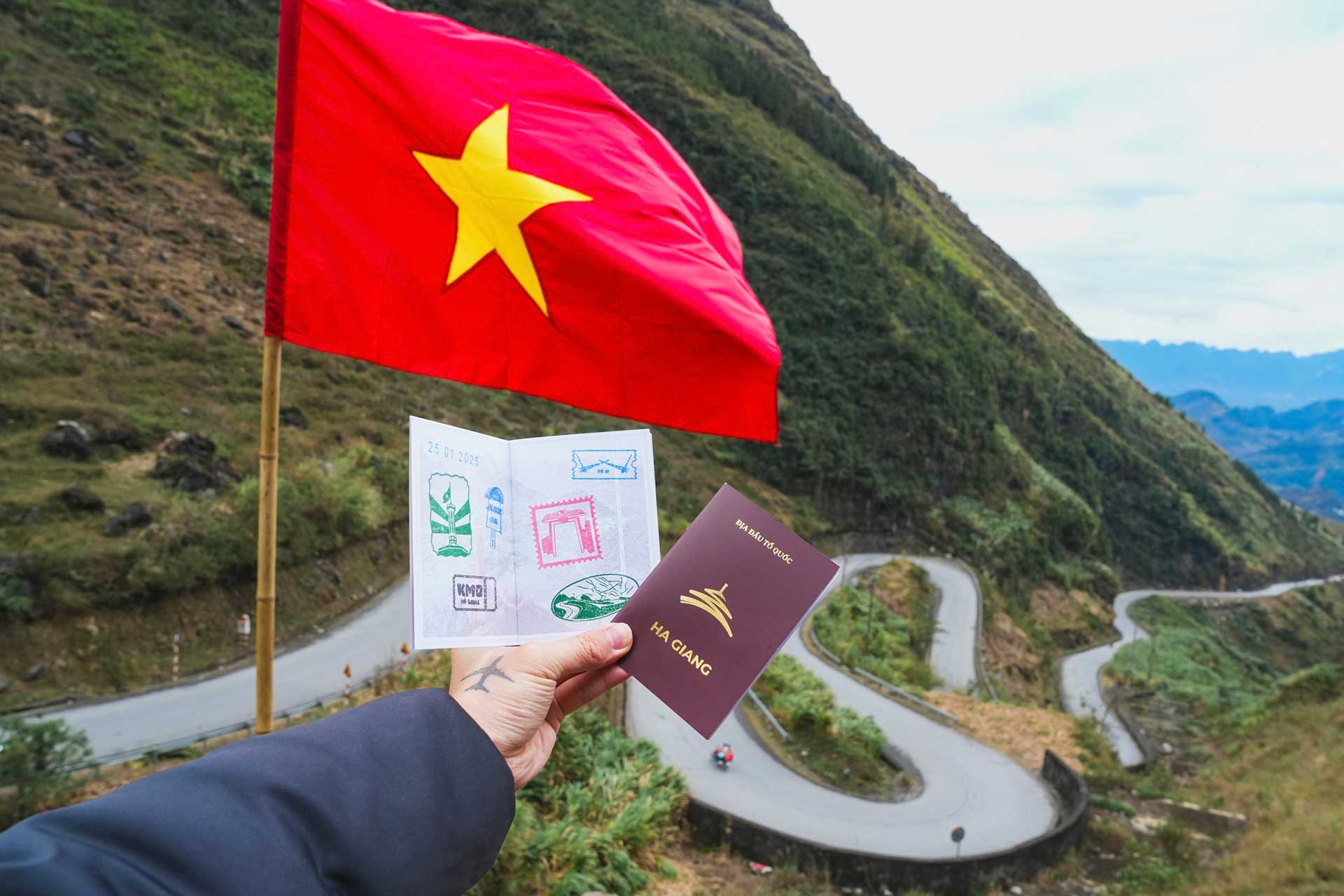
In recent years, this northernmost land of Vietnam—known for its majestic rocky mountains, steep mountain passes, and villages hidden in the clouds—has become a dream destination for hundreds of thousands of travelers. On the tourism map of Vietnam’s far north, the Ha Giang Loop, a circular route around the Dong Van Karst Plateau, has become an iconic journey that attracts adventure lovers, especially international visitors.
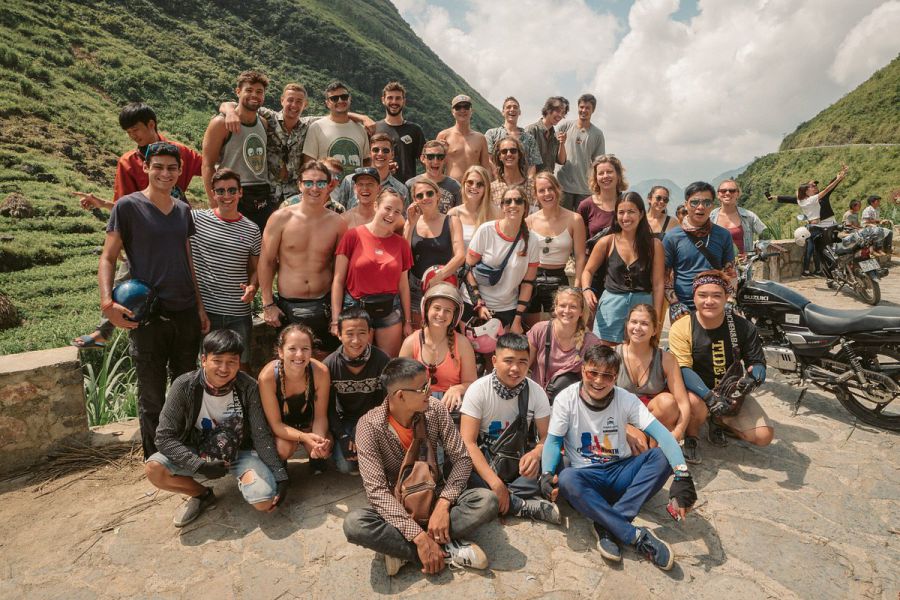
A typical trip along the Ha Giang Loop usually lasts 3–5 days, passing through famous destinations such as Quan Ba, Yen Minh, Dong Van, Meo Vac, Ma Pi Leng Pass, and the Nho Que River. International travelers mainly explore the route by motorbike, guided by local drivers who ensure safety while also helping them better understand the culture, people, and daily life of the region.
Through these journeys across the winding roads of their homeland, tourism has opened up life-changing opportunities for many ethnic minority youths—people who once relied solely on farming and working the fields for their livelihood.
From Farming Fields to the Open Road
Hoang Van Khanh (27, from the Pa Then ethnic group in Tuyen Quang) is one of the young people whose life has changed thanks to the Ha Giang Loop. In the past, his family faced many financial difficulties. Besides farming, Khanh had to take on additional manual labor jobs just to make ends meet, but the income was still unstable and barely enough to cover daily expenses.
The turning point came when a friend introduced him to a job as a motorbike driver taking foreign tourists to explore the Ha Giang Loop.
The excitement of a new job quickly came with its own pressures. During the first days of carrying international travelers on the back of his motorbike, Khanh hardly dared to speak to them because he didn’t know English. Whenever tourists asked something, he had to rely on other drivers who were better at foreign languages to help translate.
Not wanting to feel insecure forever, he began teaching himself step by step. From language-learning apps on his phone to simple conversations during the trip, he took every chance to learn directly from his passengers. He also joined training courses organized by his company to improve his communication and customer service skills.
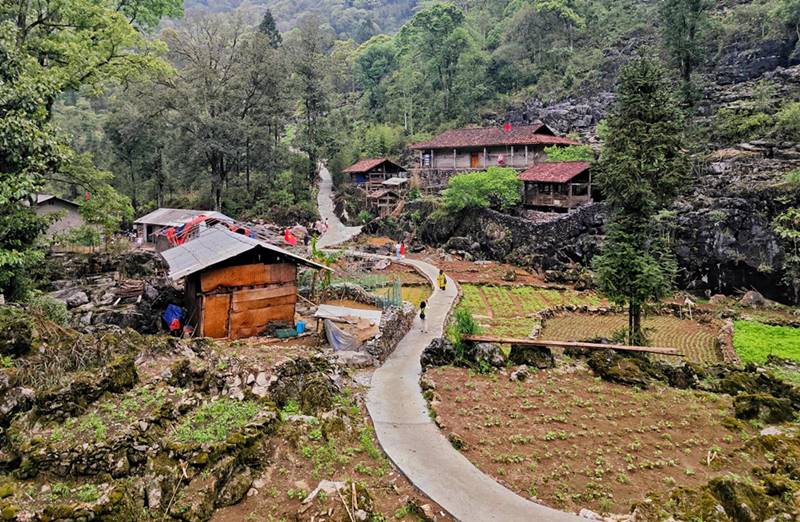
Thanks to his persistence, Khanh’s income today is two to three times higher than before. He has paid off debts from past business losses, bought a new motorbike for his wife, purchased household appliances such as a refrigerator, television, and washing machine, renovated his house, and even built a better path leading to his home.
“My life has changed a lot. It’s not just about money—I’ve also learned to think differently,” Khanh shared. “Now all my plans revolve around my two young sons. I want them to receive a good education and have opportunities that their parents never had.”
A Journey of Growth for Young People
Also choosing to build his career around the Ha Giang Loop, Nguyen Duy Anh (28, from the Muong ethnic group) is currently a freelance driver and tour guide.
After moving with his mother from Hoa Binh to Ha Giang when he was young, and growing up in a difficult family situation, Duy Anh quickly realized his responsibility to become the family’s main breadwinner.
By joining Ha Giang Loop tours, he and his colleagues have received short training courses on tour guiding skills, communication, customer service, and handling situations on the road. In addition, the local Department of Culture, Sports and Tourism frequently organizes training sessions to improve the skills of local guides.
“The rest we learn by ourselves—gaining experience from real situations and supporting each other in the job,” Duy Anh said.

His work often lasts continuously, with each tour taking 3–4 days, and during peak seasons he almost has no time to rest. Even before his own wedding, he was still leading tours until the last minute in order to save enough money for the ceremony.
“However, thanks to this job and a stable income, I was able to prepare all the wedding offerings myself, although it took nearly six months to save up,” he shared.
Currently, Duy Anh’s basic salary ranges from 10 to 12 million VND per month, with additional income during peak seasons such as November and December, when Ha Giang’s rocky plateau enters the buckwheat flower season, as well as year-end bonuses. With this income, he has become the main breadwinner of the family, supporting his parents as well as his wife and children.
What Duy Anh values even more, however, is the significant change in his mindset and life skills:
“Before, I really admired some of the guys in our group because they spoke English well and communicated confidently with foreign tourists. At that time, I wondered when I would ever be able to do the same. But after starting the job, meeting many people and learning more, I realized: Oh, I can do it too!”
Now, Duy Anh actively chats with tourists, continues learning about culture and history, and practices professional communication skills. As his communication improves, his work also becomes smoother, and he feels far more confident handling situations on the road.
Tourism – A Key to Sustainable Development in the Highlands
The development of the Ha Giang Loop not only brings significant revenue to the local tourism industry but also creates thousands of jobs for local residents, especially young people from ethnic minority groups. From people who once relied mainly on farming, many have become drivers, tour guides, hospitality staff, and homestay owners, gaining stable incomes and a more open mindset.
Mr. Lai Quoc Tinh, Chairman of the Tuyen Quang Tourism Association, said:
“At the local level, we have seen many ethnic minority residents participate in tourism activities. The Department of Culture, Sports and Tourism of Tuyen Quang regularly creates opportunities to organize training courses to improve skills and knowledge, as well as provide tourism guidebooks so that local workers can become more confident and professional in their jobs.”
In Ha Giang Ward alone, there are nearly 30 tourism service providers, including travel agencies, accommodation services, motorbike rental shops, and motorbike taxi drivers serving visitors.
To ensure safe and convenient experiences for travelers, these service providers regularly carry out maintenance and inspections of rental vehicles. After each journey, motorbikes are carefully checked for engine condition, braking systems, and are thoroughly cleaned. This is a mandatory process in service operations, ensuring both quality and safety for every trip.
Efforts to improve service quality—especially in transportation and accommodation—have played an important role in attracting visitors to the region. The professionalism, strong focus on safety, and attention to customer experience shown by tourism service providers have helped create a friendly and appealing image of the destination in the eyes of both domestic and international travelers.
As the Ha Giang Loop continues to attract an increasing number of international visitors, the challenge is no longer just about growing the number of tourists but also about ensuring the quality and sustainability of tourism activities. When local people are given opportunities to learn new skills, improve their abilities, and become active participants in providing services, tourism is no longer simply an external flow of visitors—it becomes an internal driving force that supports long-term development in the highland region.
The development of tourism has opened a pathway for young people in the highlands to change their lives, escape poverty, and move forward through their own efforts. Along the winding roads of the Ha Giang Loop, it is not only motorbikes that travel across the rocky mountains, but also dreams that are gradually taking shape—resilient and strong, just like the land at the northernmost edge of the country.


Other blogOther blog
Related blogs


Unlocking the City: The Premier Travel Information Hub Hanoi Hostel
Need reliable local advice? Discover how Wanderlust Station serves as the premier travel information hub hanoi hostel, offering free maps, insider tips, and event calendars.
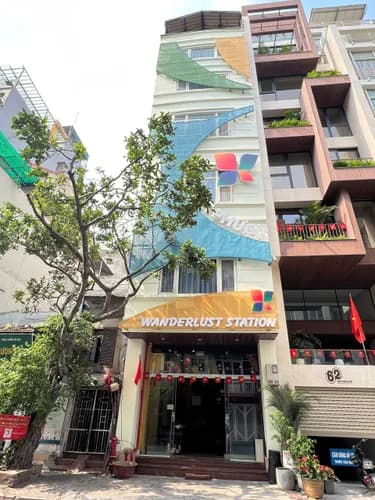
Streamline Your Journey: The Wanderlust Station Travel Desk
Simplify your logistics with the Wanderlust Station travel desk. Book sleeper buses, train tickets, Halong Bay cruises, and Ha Giang tours seamlessly.
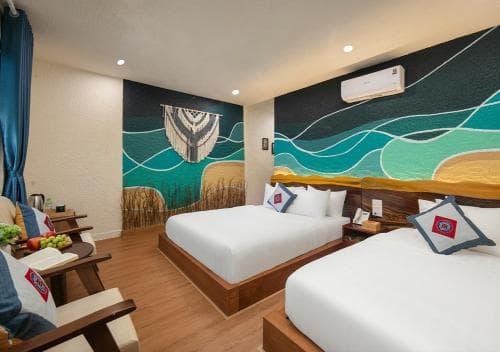
Selecting a Trusted Ha Giang Loop Tour Booking Agent Hanoi
Looking for a trusted ha giang loop tour booking agent hanoi? Wanderlust Station offers certified Easy Rider and self-ride tours with full gear.
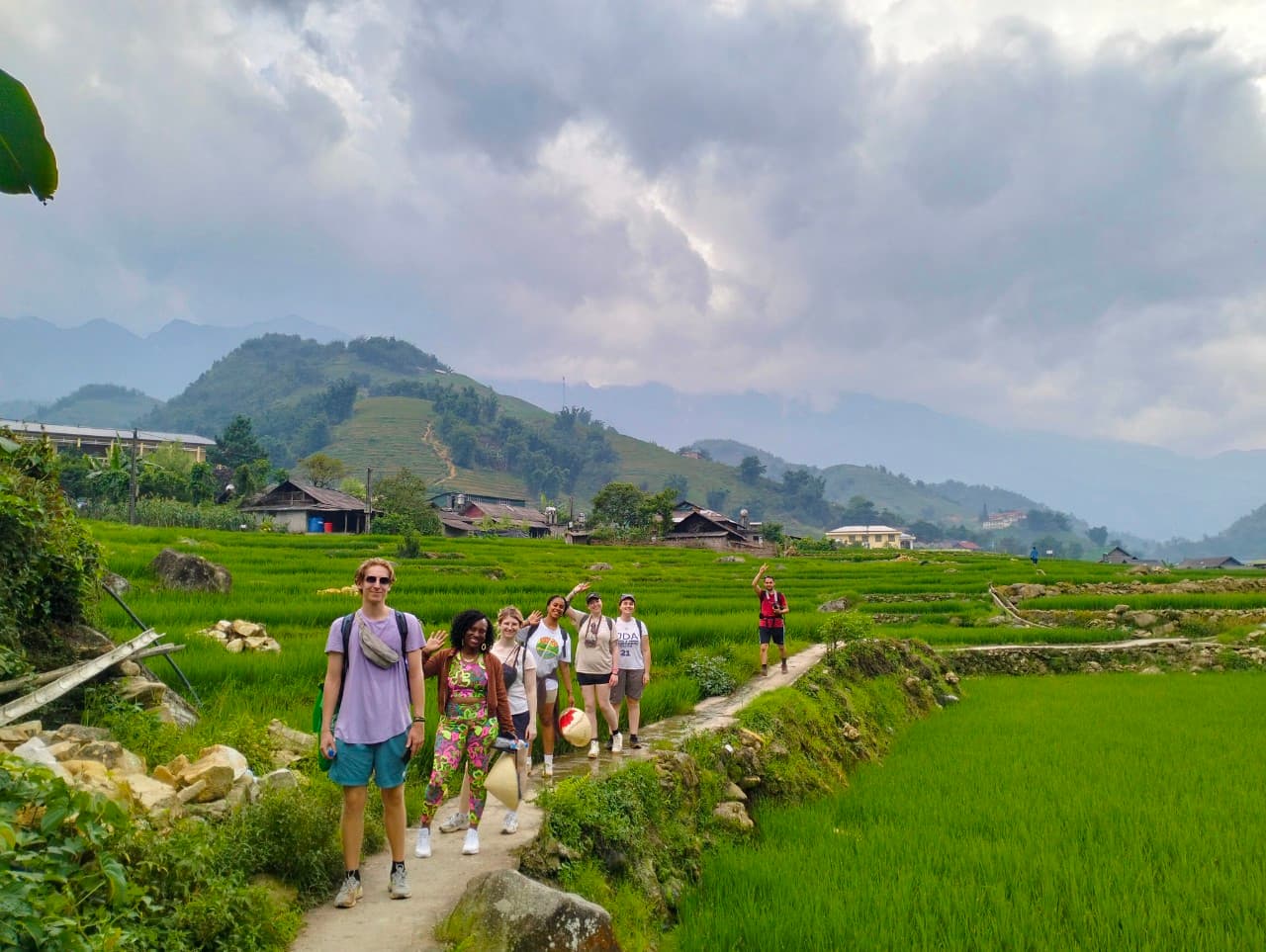
The Easy Guide to Book Sapa Tour Hanoi Hostel Expeditions
Want to book sapa tour hanoi hostel options seamlessly? Discover verified trekking itineraries, sleeper bus transfers, and homestays at Wanderlust Station.