
Which ethnic groups currently live in Sapa?

As one of the northern regions with many ethnic communities, Sa Pa still preserves many unique cultural features of its ethnic minorities while continuing to develop tourism. If you are planning a trip to Sa Pa, you should take some time to learn about the ethnic groups living here to make your journey even more interesting and enriching.
1. H’Mong Ethnic Group

The H’Mong ethnic group is known as one of the ethnic minorities in Sa Pa, but they make up a relatively large population in the area.
One way to recognize them is through the traditional clothing they wear in daily life. Their outfits are made from linen fabric and are decorated with many eye-catching patterns.
Women usually wear a four-panel dress with an open front that has no buttons, with the hem tucked into the skirt. The sleeves, collar edges, and the sides of the garment are often decorated with intricate details. The collar is typically V-shaped. Men often wear short-sleeved shirts with belts; the sleeves are usually wide. They also wear headscarves or hats decorated with round silver ornaments and often wear silver necklaces.
The main colors of H’Mong clothing are black, yellow, blue, and red. The patterns on their skirts commonly include squares, rectangles, diamond shapes, and spiral motifs.
H’Mong people also enjoy wearing various types of jewelry such as earrings, necklaces, bracelets, anklets, and rings.
2. Red Dao Ethnic Group

Like the H’Mong, the Red Dao are also one of the most populous ethnic groups in Sa Pa, mainly living in villages such as Ta Phin, Nam Cang, and others. They usually reside in mountain villages or valleys.
A clear way to recognize the Red Dao people is through their traditional clothing.
The most distinctive feature of Red Dao women is the red scarf or red headdress they wear on their heads. Their clothing is usually dark blue or black but far more colorful and vibrant compared to H’Mong outfits. The sleeves are quite wide and decorated with bright colors such as red, orange, yellow, and white, along with beautiful patterns.
Another noticeable characteristic is that, according to tradition, Red Dao women often shave their eyebrows and part of the hair on their forehead as a sign of beauty.
One particularly interesting belief in Red Dao culture is that dogs are considered their ancestors, so they show great respect for this animal. Some traditional customs include brewing rice wine, avoiding touching children’s heads, and unmarried men and women not taking photos together. Visitors should be aware of and respect these traditions.
Another thing you will easily notice when visiting the tourist town of Sa Pa is the many herbal bath services used to relieve fatigue. This practice comes from the famous traditional herbal bath of the Red Dao, a remedy passed down through generations using forest leaves.
3. Giay Ethnic Group

Unlike the H’Mong and Red Dao, the Giay are a branch of the Tay–Thai ethnic group and mainly live in mountainous areas in the far north. Their population accounts for only about 2%, with around 25,000 people, mostly concentrated in the Ta Van Valley.
Compared to H’Mong clothing, the traditional outfits of the Giay people are quite simple, with fewer patterns, and are often recognized by the different-colored fabric on the collar.
Men typically wear front-opening jackets with round collars and buttons. The shirts usually have three pockets—two at the bottom and one on the right side. The jackets are fairly short and usually dyed indigo. Men also wear straight-leg trousers with a wide waistband and often wrap a scarf around their heads.
Giay women usually wear short side-slit blouses that extend over the hips, with fairly wide sleeves. The fabric buttons on the blouse are carefully braided and look very decorative. In addition, women often wrap scarves around their heads in different styles and wear silver necklaces.
4. Tay Ethnic Group
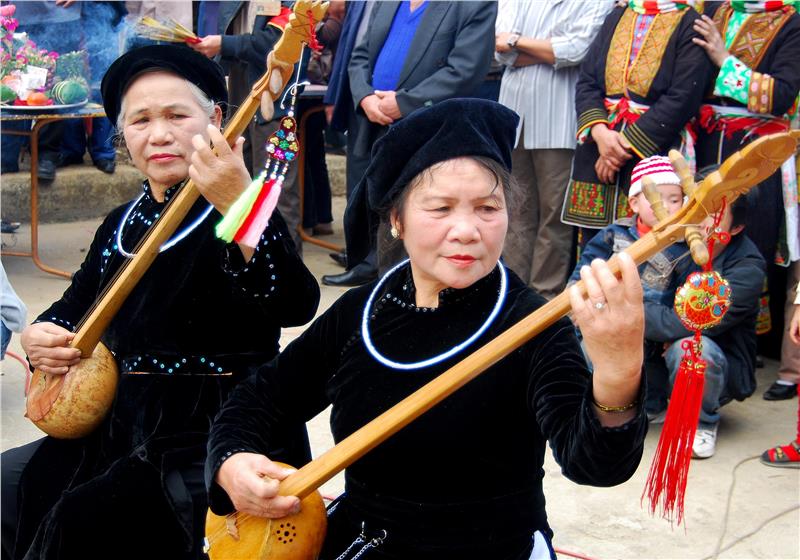
The Tay ethnic group is another minority community in Sa Pa that Onetour would like to introduce. The Tay people have many unique cultural features, including their own language and writing system, beautiful traditional costumes, and distinctive dances that often leave a strong impression on visitors traveling to Sa Pa.
They are also one of the ethnic groups known for various traditional handicrafts such as weaving, blacksmithing, and bamboo weaving.
To recognize the Tay people, you can observe their clothing. Their outfits are typically woven from cotton and usually have no decorative patterns. In daily life, women often wear short blouses with high collars, designed with five panels and buttons at the collar and along the sides. Men usually wear wide trousers with a large waistband.
5. Important notes when visiting Sa Pa
-
Always ask for permission from the host when you want to do something.
-
Avoid touching or patting children’s heads.
-
Learn about the cultures and customs of local ethnic groups before traveling.
-
Do not place bowls upside down on the tray or table.
-
Avoid pointing at people while speaking.


Other blogOther blog
Related blogs



Unlocking the City: The Premier Travel Information Hub Hanoi Hostel
Need reliable local advice? Discover how Wanderlust Station serves as the premier travel information hub hanoi hostel, offering free maps, insider tips, and event calendars.
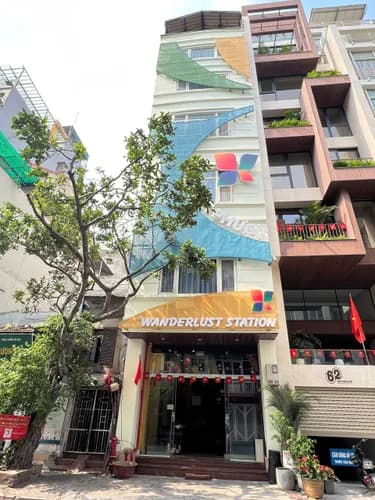
Streamline Your Journey: The Wanderlust Station Travel Desk
Simplify your logistics with the Wanderlust Station travel desk. Book sleeper buses, train tickets, Halong Bay cruises, and Ha Giang tours seamlessly.
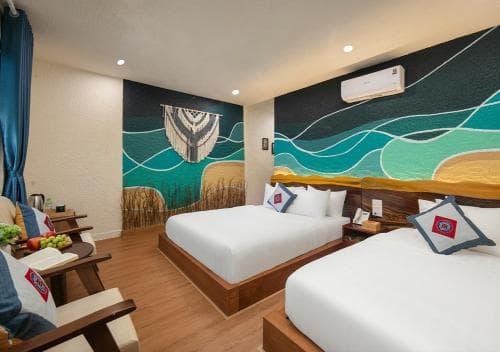
Selecting a Trusted Ha Giang Loop Tour Booking Agent Hanoi
Looking for a trusted ha giang loop tour booking agent hanoi? Wanderlust Station offers certified Easy Rider and self-ride tours with full gear.
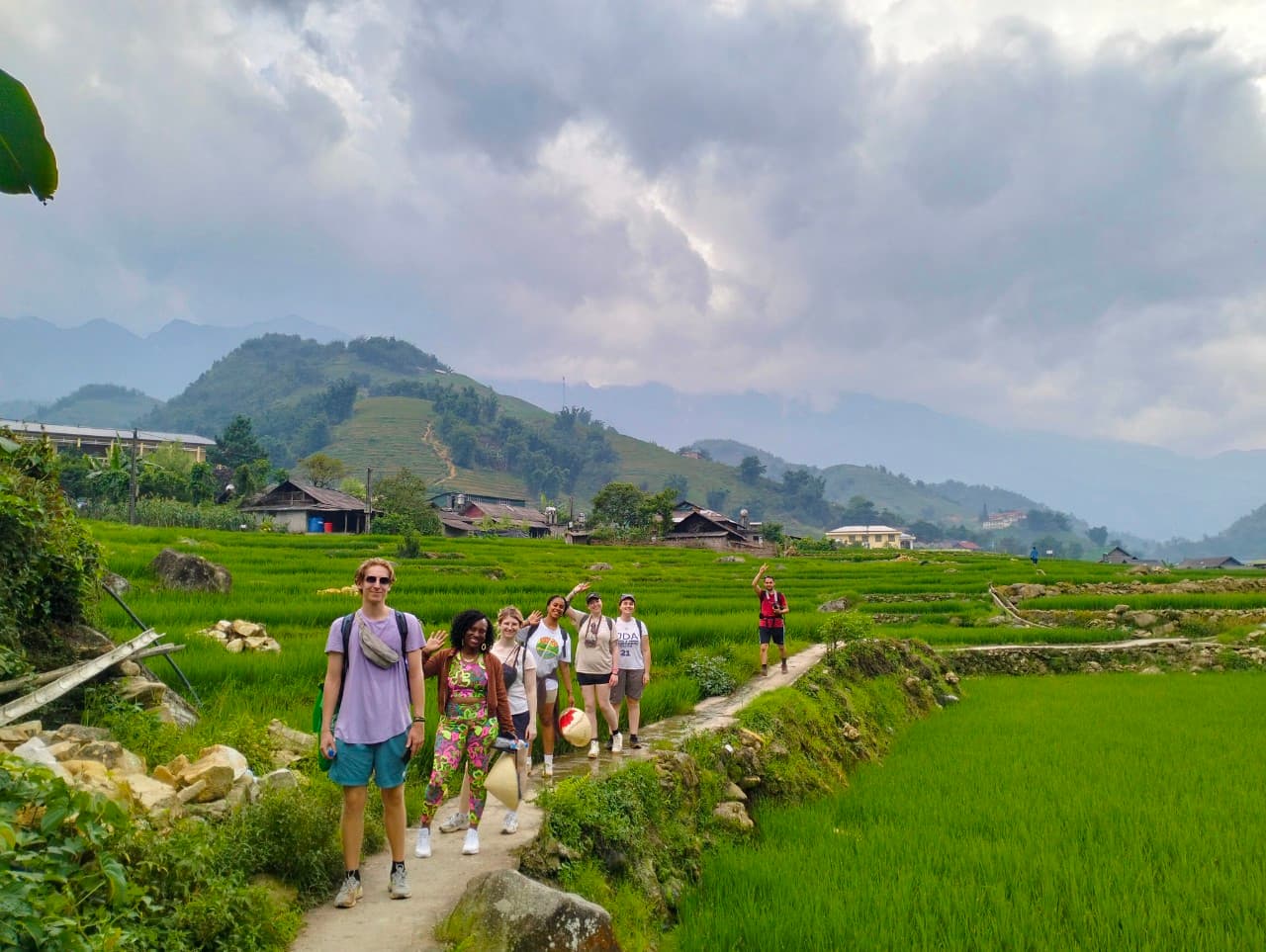
The Easy Guide to Book Sapa Tour Hanoi Hostel Expeditions
Want to book sapa tour hanoi hostel options seamlessly? Discover verified trekking itineraries, sleeper bus transfers, and homestays at Wanderlust Station.