2. Must-Visit Scenic Attractions in Hanoi
When hearing introductions about Hanoi’s scenic attractions, visitors will discover many famous landmarks closely associated with this thousand-year-old capital. According to local residents, Hanoi offers numerous unique destinations both inside and outside the city.
2.1. Tourist attractions in the city center
You don’t have to travel far to visit the most famous places in Hanoi. Simply exploring around the city center will allow you to discover many interesting attractions such as:
- Hanoi Old Quarter: According to many introductions about Hanoi, the Old Quarter is definitely a place you should visit at least once. Besides its old-style houses and traditional streets, the area also features popular check-in spots such as Ngoc Son Temple, St. Joseph’s Cathedral, and the Thang Long Water Puppet Theatre.
- Hoan Kiem Lake: This lake is considered a symbol of the nation’s prosperity and growth in many stories about Hanoi. Its origin is linked to the famous legend in which King Le Loi returned a magical sword to the Golden Turtle God after defeating the Ming invaders.
- Temple of Literature – Quoc Tu Giam: One of the most important historical and cultural sites of both the capital and the country, built in 1076 during the reign of King Ly Nhan Tong. The Temple of Literature is dedicated to Confucius and Confucian scholars, and it was also the first university in Vietnam.
- Ho Chi Minh Mausoleum: Another landmark often mentioned when introducing Hanoi. It is the resting place of President Ho Chi Minh, the beloved leader of Vietnam. The mausoleum symbolizes the deep gratitude and respect of the Vietnamese people for him.
- Thang Long Imperial Citadel: A major historical and cultural site recognized by UNESCO as a World Cultural Heritage Site in 2010. The citadel covers a vast area and includes many important architectural structures such as Bac Gate (North Gate), Nam Gate (South Gate), Dai La Citadel, Kinh Thien Palace, and Long An Palace.
- West Lake (Ho Tay): Frequently mentioned in introductions to Hanoi tourism, West Lake is known for its wide, breezy lakeside areas filled with trees and flowers. It is an ideal place for visitors who want to relax and enjoy the fresh air.


2.2. Attractive Tourist Destinations in the Outskirts of Hanoi
What can you explore in the outskirts of Hanoi? If you have heard many introductions about the capital but still don’t know where to go, the following destinations near Hanoi can be great suggestions:
- Bat Trang Pottery Village:
A long-standing traditional craft village in Hanoi, famous for its diverse and finely crafted ceramic products. When visiting, travelers can observe the pottery-making process, try making their own pottery pieces, and shop for unique souvenirs. - Duong Lam Ancient Village:
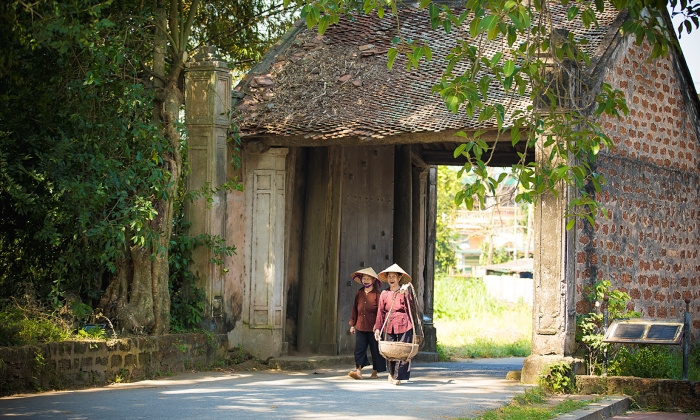
According to many introductions about Hanoi from local residents, this village is more than 1,200 years old. It was officially recognized as a National Cultural Heritage Site in 2006 and still preserves many historical, cultural, and ancient architectural structures such as traditional wooden houses made from ironwood, communal houses, temples, and shrines. - Ba Vi National Park:
A vast national park covering more than 10,000 hectares, featuring three main peaks: King Peak (1,296 m), Tan Vien Peak (1,276 m), and Ngoc Hoa Peak (1,131 m). Ba Vi National Park is known for its rich biodiversity and is home to many rare species of plants and animals.
3. Introduction to Hanoi’s Specialties to Try and Buy as Gifts
In many introductions about Hanoi, the city is also famous for its unique local specialties. Whether visiting for work or tourism, many people want to bring home some of these traditional delicacies as gifts.
When learning about Hanoi’s specialties, visitors are often amazed by the diversity and richness of the capital’s cuisine. Some must-try dishes include:
- Hanoi Pho:
This iconic dish is made with thin rice noodles, sliced beef (either well-done or rare), and a clear, flavorful broth simmered from beef bones and spices such as cinnamon, star anise, and cloves. Its balanced yet rich flavor has captivated countless visitors and left a lasting impression. - Bun Dau Mam Tom:
This is an extremely popular street food often mentioned in reviews about Hanoi. A typical serving includes fresh rice vermicelli, crispy fried tofu, young green rice sausage (cha com), and fermented shrimp paste mixed with lime and sugar. You can easily find this dish at many restaurants or street vendors around the city. - Bun Thang:
A refined and nutritious dish often enjoyed during holidays or when people want something light yet flavorful. The broth is delicately sweet, simmered from chicken and dried shrimp, and served with finely shredded toppings such as chicken, thin omelet strips, Vietnamese pork sausage, and chopped herbs. - Egg Coffee:
A famous Hanoi specialty made from traditional Vietnamese drip coffee combined with whipped egg yolk, condensed milk, and sugar. The drink features a creamy, sweet foam layer on top and strong, rich coffee underneath. - West Lake Lotus Tea:
Another specialty often mentioned in introductions to Hanoi. This premium and rare tea is made by infusing dried green tea leaves with the fragrance of lotus flowers from West Lake. It has a delicate aroma and a pure, refreshing taste that brings a sense of calm to the drinker. - Hanoi Com Cake (Banh Com):
One of the most popular gifts for visitors to bring home. This light green, square-shaped cake has a gentle sweetness and the fragrant flavor of young green rice. It is also a traditional treat often enjoyed during festivals, especially Mid-Autumn Festival and Lunar New Year.


With thousands of years of cultural heritage, numerous heroic historical sites, unique traditional cultural values, and diverse local cuisine, Hanoi is considered one of the most attractive destinations among cities and provinces in Vietnam.
Through the brief introduction to Hanoi above, we hope you now have a better understanding of this beautiful capital city and a deeper appreciation for its culture and people.